
Integrated Support for Education and
We provide comprehensive support for education and behavioral health, showcasing our accomplishments and future projects.
Legacy Education and Behavioral Health
Who are we?
Legacy Education and Behavioral Health is a child and adolescent learning center designed to support kids and families in various stages of crisis. The mission of this program is to create a safe space to assess risk, triage needs and provide support for both acute and long term behavioral health struggles.
What is our mission?
We believe every child should have access to meaningful educational and behavioral health supports. At the core of our practice we will support the child’s barriers to regulation and to provide them the resources they need to allow their natural abilities to thrive. We create an environment rooted in physical and emotional safety to give our clients space to address the systems that are causing distress.
Our History
Our team of providers are experts across areas of public health, education, justice system, therapeutic settings and within systems that provide imperative programing for youth. Within each of these systems, the largest threat to their sustainability is the growing saturation of their supports designed to address childhood behavioral health concerns. These systems, while having resources to work with these children, are often limited by funding, training and staffing to effectively address these concerns in a way that can give resolution to the impacted community members. This practice currently works with clients in an outpatient capacity, and we are meeting with pediatricians, psychiatrists, social workers, counselors, educators, and advocacy group leaders to establish a model that can provide equitable, non judgmental, evidence based learning and behavioral health supports for the population we will serve.
BUSINESS DESCRIPTION
When a student assaults a teacher, or child threatens their parent at home with a knife there are very few options where caregivers can turn for support. A 6th grade boy says he wants to kill himself, or a 9th grade girl has started cutting herself because of stress, what resources are there to support the child and their family? In our community, urgent mental health care concerns are often left to our already overtaxed systems (education, emergency rooms, criminal justice programing, etc) to solve. While these systems have resources to address these needs, they are often left overtaxed and overburdened with problems because they lack appropriate funding, resources and training to support effectively. This cycle increases burnout and strain for our existing agencies, and most importantly, it does not address the needs of the child who is seeking help and support.
Our program is designed to work with children who need a higher level of care than a school or outpatient support can address with a team of professionals highly trained in crisis work, childhood development, trauma, and regulation. The hope of our program is to provide wrap-around support to these youth and allow them safety and space to work with a team equipped to support their needs, and engage them in evidence based practices to alleviate the burdens they are carrying with them.
It is our hope that providing a space for this level of behavioral health concerns, in our own community, will give our existing systems space to help address the preventative needs more effectively. We will use what we know about regulation, attachment and childhood development to meet clients and families where they are and effectively transition them into and out of higher levels of care without causing additional disruption to their threat systems, and remain with the protective factors that exist for them in their community.
We believe that behavioral health care is just that, health care, and it should be funded as such. We will work with our existing billing agencies to pay for this type of healthcare. We will bill for day treatment, individual and group psychotherapy, assessment, developmental testing, diagnostic evaluation and medication management. Because our organization already bills for most of these services, and are trained and familiar with insurance and private pay options, we anticipate minimal hurdles extending these resources.
Our program will also work to subsidize these billing resources to help provide the most therapeutic environment possible, and to attract resources that will make our service a refuge to all children regardless of race, culture, sexuality, gender or financial status.
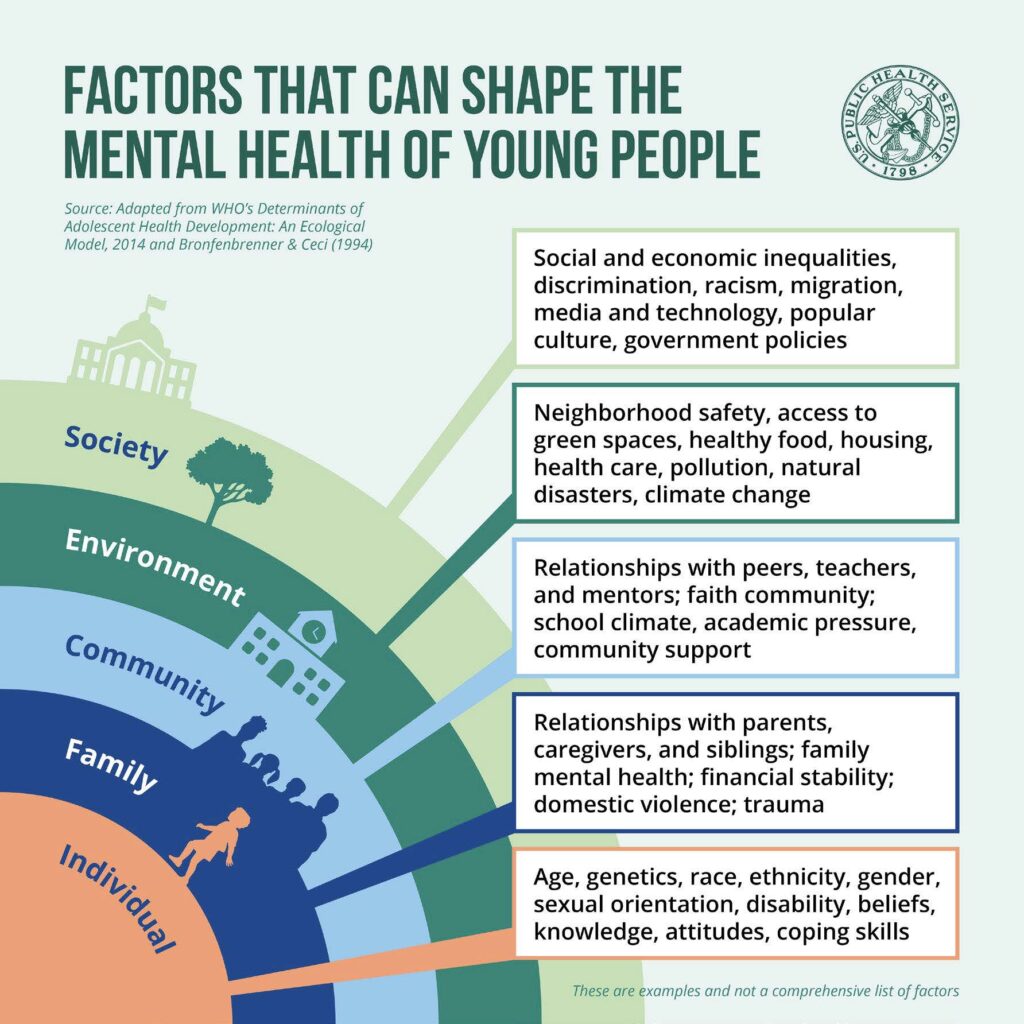
We are also hoping to develop a program that radically reevaluates the way we engage with children. We will prioritize regulation models to work with them on stabilizing, but in doing so, we will recruit resources that will establish basic needs including connecting with resources on food, housing insecurity, discrimination, mobility, physical or developmental impairments and cultural considerations. Through this we will conduct thorough assessments that allows us the ability to evaluate our practice and objectively look at our model with feedback from stakeholders, as well as to collect data for multiple purposes, with the intent of leveraging this model to inform integrated behavioral health strategies across systems.